
December 21st, 2025
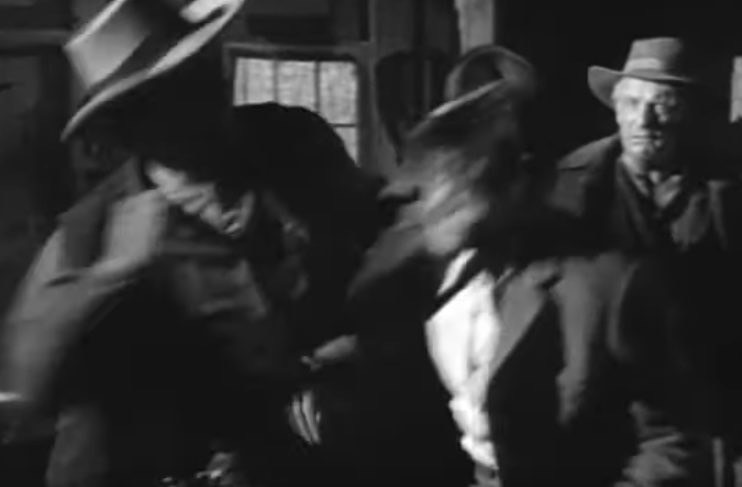
I just realized how much television has grown up. When I was a child, TV was childish. All disputes between men were resolved with fistfights. Good guys always prevailed, unless the plot required them to be captured by the bad guys, in which case the good guy was knocked unconscious and awoke bound hand and foot. Superman, after smashing through a window, would proceed to engage the baddies in fisticuffs.
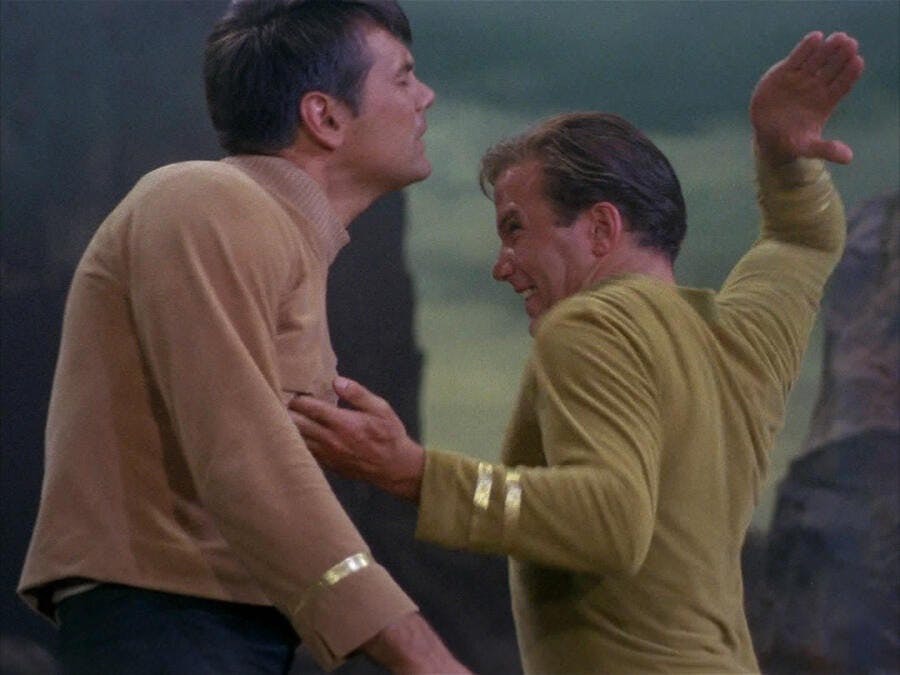
Even Star Trek, that revolutionary new science-fiction TV show, couldn’t refrain from lots of hand-to-hand combat:
There were some attempts to reduce the level of Neanderthal violence, such as the Batman TV show; it wasn’t violent, it was campy!
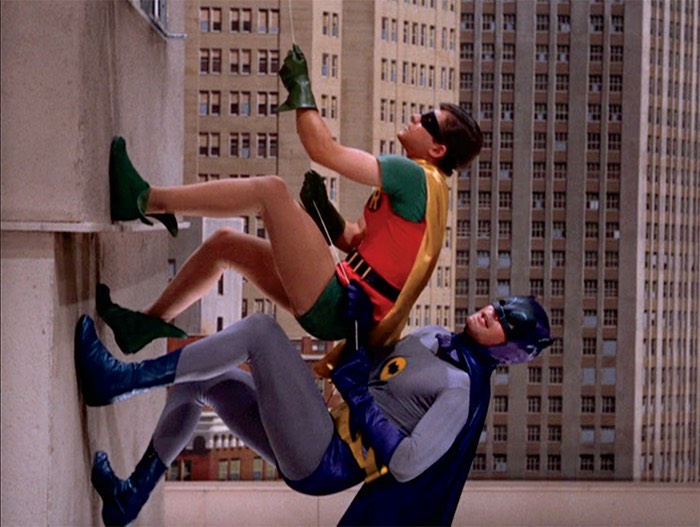
My family, watching this show, simultanously exclaimed “They just tilted the camera!”
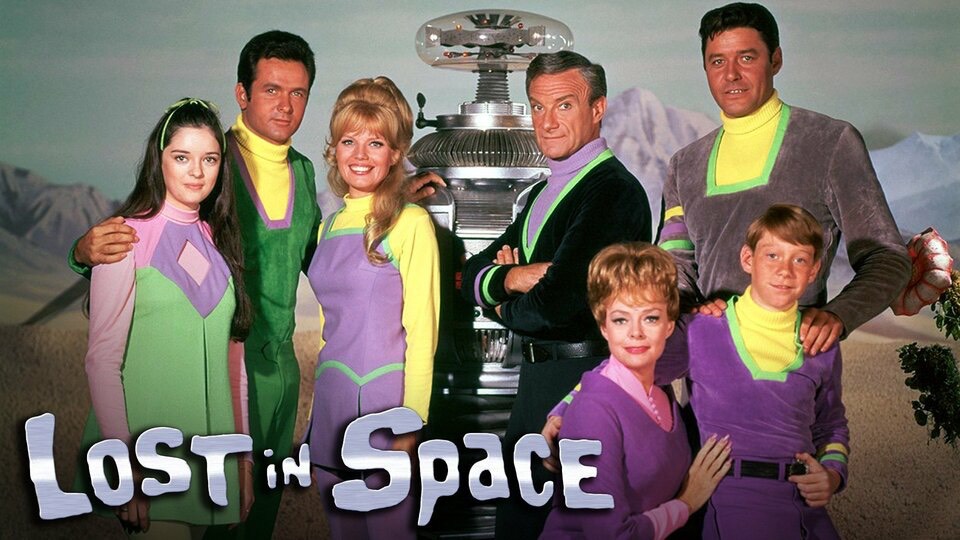
Then there was “Lost In Space”, an unintentionally campy show featuring a great villain in Dr. Smith, and a robot who spent most of his time waving his robot arms frantically and saying “Danger, Will Robinson!”
TV did start to mature; in the early 70s, David Carradine starred in a radically different TV series: Kung Fu:
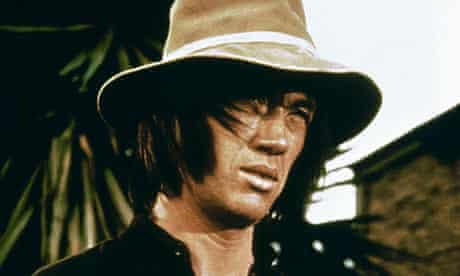
What was so striking about this show was that the protagonist, a Kung Fu expert traveling across the old West, always avoided fights and, when he was forced to defend himself, never attacked his opponent, instead deflecting his blows. It was definitely not like the typical American western with lots of fistfights and shootouts. It included some short backstory scenes of his training in China, under a master who called him “Grasshopper”.
But television wasn’t done with its appeal to the childish. In 1978 came a TV show seeking to exploit the success of Star Wars: Battlestar Galactica. Where Star Wars had an actual story with genuine characters and some good ideas, Battlestar Galactica went low. It had all the space shoot-em-up action of Star Wars, but that was about all it had.
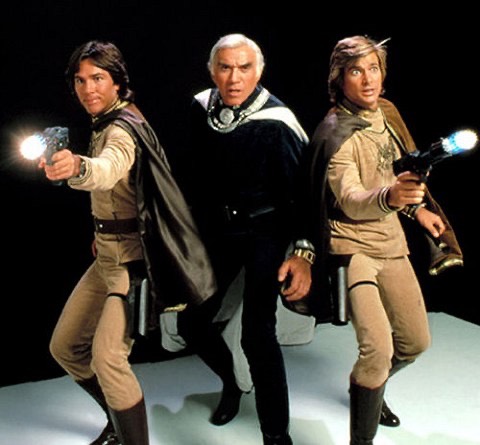
There was one particularly pathetic scene that still makes me choke. The good guys had finally made it to earth, their destination, and they arrived in — guess what — 1978 Los Angeles! So they fly down to earth on their super-duper flying things, and decide to ride on the freeway alongside some Hells Angels, who rev their engines to challenge the good guys, who then fly up and away, much to the astonishment of the Hells Angels. Yep, pretty sorry.
But in 1981, we had something new: Hill Street Blues. This police drama didn’t have the typical “good cop defeats bad criminal in one hour” plot. It was messier, more realistic, with characters who looked and felt like real people trying to cope with one of the worst regions of Chicago. There was often a tinge of tragedy to the show; there weren’t many “happily ever after” shows. Every victory included some compromising sadness. The show won many Emmys for its excellent writing and talented actors. It had none of the childishness of earlier American television.
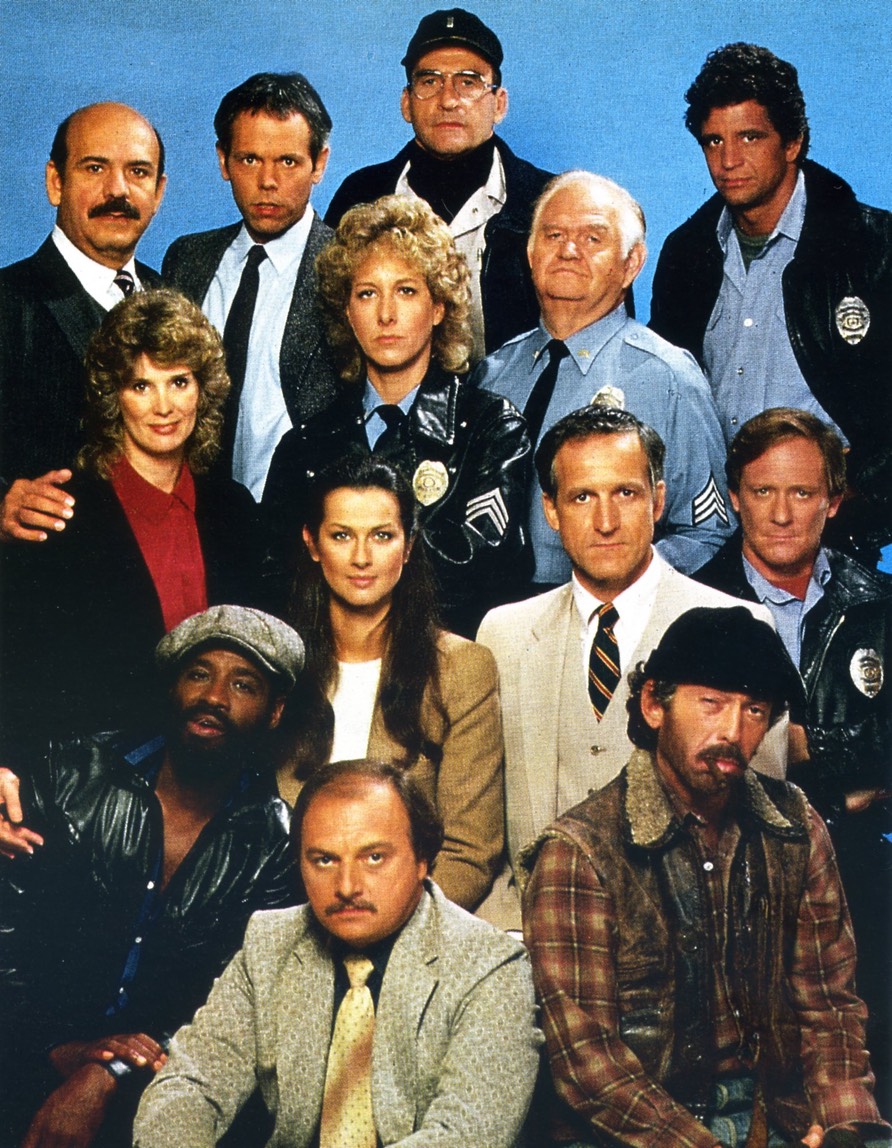
When Hill Street Blues reached the end of its lifespan, the producers followed up with LA Law, about a law firm in Los Angeles. This show didn’t have the grittiness or tragedy that characterized Hill Street Blues; it even offered some striking comedy. But the drama was just as strong, and the show earned lots of Emmys.

The rise of cable networks in the 1990s forced puberty onto television. When television was young, and there were only four channels (ABC, CBS, NBC, and PBS), these channels had to cater to the lowest common elements of the population: the Neanderthals